
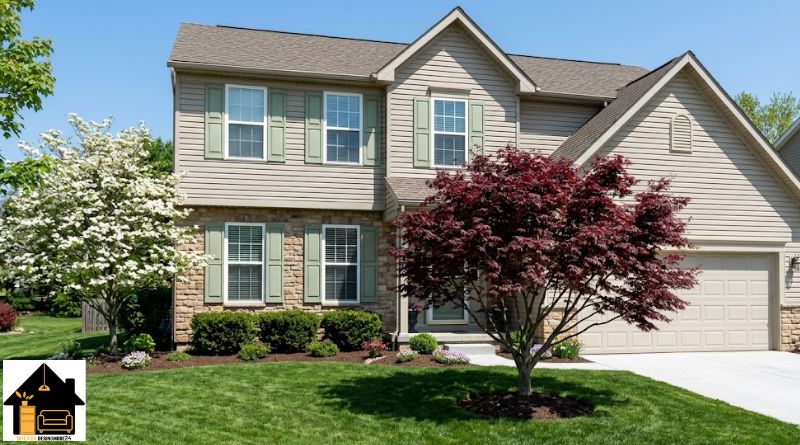
Choosing the best tree for front yard spaces is one of the most rewarding decisions a homeowner can make. A well-chosen tree does more than add beauty — it frames your home, provides shade, increases property value, and creates a welcoming atmosphere for anyone who walks by. But with hundreds of tree species available, making the right choice can feel overwhelming. The good news is that once you understand a few key factors, the decision becomes much clearer and even enjoyable.
Why Your Front Yard Tree Choice Matters
The front yard is the first thing people see when they approach your home. A tree planted there becomes a permanent part of that impression, growing more beautiful and valuable with each passing year. Beyond curb appeal, trees in the front yard help reduce energy costs by blocking harsh sunlight in summer, act as windbreaks during colder months, and contribute to cleaner air in your neighborhood. They also provide habitat for birds and pollinators, turning your yard into a small but meaningful ecosystem. This is why taking time to choose the best tree for front yard planting is never a decision to rush.
Key Factors to Consider Before Planting
Space and Mature Size
One of the biggest mistakes homeowners make is planting a tree without considering how large it will grow. A tree that looks small and manageable at the nursery can spread 40 to 50 feet wide at maturity. Before choosing any species, measure the available space in your front yard, note the location of power lines, sidewalks, and the foundation of your home. Always choose a tree whose mature size fits comfortably within that space without causing structural damage or requiring constant pruning.
Soil, Climate, and Sunlight
Every tree has a preferred growing environment. Some thrive in well-drained sandy soil, while others do better in clay-heavy ground. Your local climate zone plays a huge role as well. A tree that flourishes in Florida will struggle in Minnesota. Check your USDA hardiness zone before purchasing any tree, and always consider how much direct sunlight your front yard receives throughout the day. Matching the tree to its ideal environment means less maintenance and a healthier, longer-living tree.
Best Tree Options for Front Yards
Crepe Myrtle
The crepe myrtle is a favorite across warmer regions for good reason. It blooms in vibrant shades of pink, red, white, and purple throughout summer, offering months of color when most other plants have faded. It stays relatively compact, making it a great best tree for front yard situations where space is limited. It also handles heat and drought well once established, which means less watering and worry on your part.
Japanese Maple
If you want a tree that becomes a true focal point, the Japanese maple delivers year-round interest. Its delicate, lacy leaves turn breathtaking shades of red, orange, and gold in autumn. It grows slowly and stays manageable in size, rarely exceeding 20 feet. It works beautifully in both traditional and modern landscape designs, making it one of the most versatile choices available.
Dogwood Tree
The flowering dogwood is a classic American favorite that brings stunning spring blooms in white or pink. It is a smaller tree by nature, which makes it ideal for modest front yard spaces. Beyond the flowers, it offers attractive berries in fall that birds love and rich reddish-purple foliage before the leaves drop. Dogwoods prefer partial shade and moist, well-drained soil, so they work particularly well in yards that receive dappled light.
Red Maple
For those who want something larger and more dramatic, the red maple is an excellent pick. It grows relatively fast, provides generous shade, and puts on a spectacular show every autumn with its brilliant red foliage. It adapts well to various soil types and climates, making it one of the most widely planted shade trees in North America.
Final Thoughts
Finding the best tree for front yard planting comes down to matching the right tree to your specific space, soil, and climate. Take time to observe your yard throughout the day, talk to local nursery experts, and think long-term. A tree planted thoughtfully today will reward you with beauty, shade, and character for decades to come. Whether you choose a bold red maple or a delicate Japanese maple, the simple act of planting a tree is one of the most lasting improvements you can make to your home.
Read Also: Small Concrete House