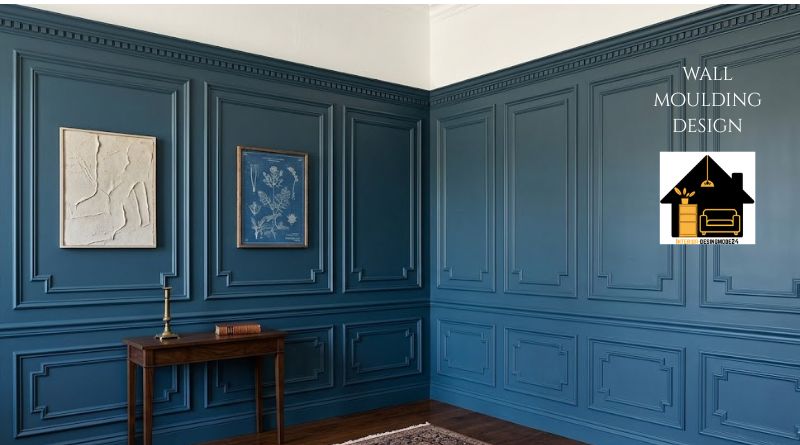
If you’ve ever walked into a room and felt an instant sense of elegance without quite knowing why, there’s a good chance wall moulding design had something to do with it. It’s one of those subtle architectural details that quietly transforms a plain, flat wall into something that feels crafted and intentional. And the best part? It’s more accessible than most people think.
What Exactly Is Wall Moulding?
At its core, wall moulding refers to decorative strips or frames applied to walls to add visual structure, depth, and character. These can be made from wood, MDF, PVC, polyurethane foam, or even plaster — each material bringing its own texture and finish to the final look. Whether you’re going for a grand Victorian manor vibe or something clean and Scandinavian, wall moulding design fits into almost every aesthetic when applied thoughtfully.
The most popular styles include panel moulding (rectangular frames arranged in a grid pattern), picture rail moulding, chair rail moulding, and the increasingly trendy geometric moulding designs that you see all over interior design feeds right now. Each style carries its own personality and suits different spaces differently.
Why People Are Falling in Love With It Again
Wall moulding design is having a serious revival, and it’s not hard to understand why. People are spending more time at home than ever before, which means they’re paying closer attention to how their living spaces actually feel. A blank white wall might have seemed fine before, but now it just feels… unfinished. Moulding gives walls a reason to exist — it creates zones, draws the eye, and adds that handcrafted quality that no paint color alone can achieve.
Another reason for its growing popularity is how cost-effective it can be. Compared to a full renovation, adding moulding strips to a bedroom or living room wall is relatively affordable. A few panels of MDF, some adhesive, paint, and a little patience can completely change how a room reads — from builder-grade to boutique hotel.
Choosing the Right Style for Your Space
This is where people sometimes overthink things, but the truth is that wall moulding design follows a few common-sense principles. First, consider the ceiling height. Taller ceilings can handle bolder, more layered moulding — think wide panels with multiple detail strips. Lower ceilings, on the other hand, do better with simpler, more minimal framing so the room doesn’t feel cramped.
Second, think about the overall design direction of your home. If your furniture is modern and streamlined, geometric wall moulding design with clean right angles will feel cohesive. If your space leans more traditional or transitional, classic raised panel moulding or beadboard-style detailing will feel right at home.
Color is equally important. Painting the moulding the same color as the wall creates a tone-on-tone effect that reads as sophisticated and understated. Painting it in a contrasting color — especially white moulding on a deep, moody wall — creates a more dramatic, defined look. Neither is wrong; it really comes down to the atmosphere you’re after.
Practical Tips Before You Start
If you’re planning to take on wall moulding design as a DIY project, there are a few things worth knowing upfront. Measuring and planning your panel layout on paper before touching a single strip of wood will save you a lot of frustration. Symmetry matters — even minor miscalculations can make the finished result look slightly off, which is noticeable precisely because the eye expects order.
Use a level constantly. What feels straight often isn’t, especially on older walls that have settled over the years. A digital level is a worthwhile investment if you’re doing more than one wall. For adhesive, construction-grade bonding glue works well for lightweight MDF strips, but adding a few finishing nails gives extra security and peace of mind.
Once everything is up, caulk all the edges and gaps before painting. This is the step that separates a professional-looking result from an amateur one — those clean, filled seams make the moulding look like it was always part of the wall.
A Design Detail Worth Investing In
Wall moulding design has been around for centuries for a very good reason: it works. It adds architectural interest where there was none, it creates a sense of craftsmanship, and it makes even the most ordinary rooms feel considered and complete. Whether you hire a professional or tackle it yourself over a weekend, it’s the kind of change that tends to make people stop and say, “Wait, did you do something different in here? It looks amazing.”And honestly, that reaction is worth every carefully measured panel.
Read Also: Pooja Room Door Design