
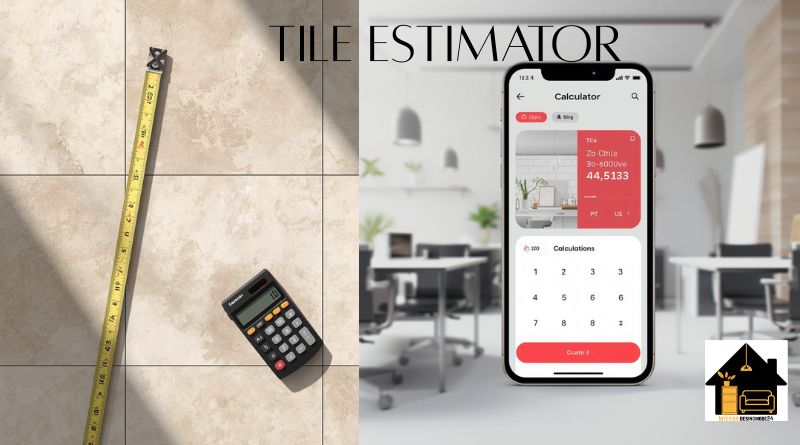
Planning a tiling project without a proper estimate is like starting a road trip without checking your fuel — you might get halfway there and realize you’re completely off track. Whether you’re redoing a bathroom floor, installing a kitchen backsplash, or covering an entire patio, using a tile estimator can save you from costly mistakes, unnecessary waste, and frustrating mid-project runs to the hardware store.
Why Accurate Tile Estimation Matters
Most homeowners underestimate how much preparation goes into a tiling project. They pick a tile they love, measure the room roughly, and head to the store — only to come back short by a dozen tiles or left with three unopened boxes they’ll never use. A tile estimator removes that guesswork entirely.
When you use one before purchasing, you account for the actual square footage of the space, the size and format of the tile you’ve chosen, the pattern you plan to install, and the inevitable cuts and breakage that happen during installation. Even experienced tilers factor in a 10 to 15 percent waste margin because tiles crack, cuts go wrong, and patterns eat into more material than expected. Getting this wrong doesn’t just affect your budget — it affects your timeline, especially when the tile you selected is a special order item that takes weeks to restock.
How a Tile Estimator Works
At its core, a tile estimator calculates how many tiles you need by dividing the total area of your surface by the coverage area of a single tile. But the smarter versions go well beyond that basic formula.
You input your room dimensions — length and width — and the tool calculates the total square footage. Then you enter the tile size, whether it’s a 12×12 inch square, a 3×6 subway tile, or a large format 24×48 slab. The estimator adjusts for grout joint spacing, which affects how many tiles actually fit across a given surface. If you’re going diagonal or using a herringbone pattern, good estimators account for the increased waste those layouts produce. Finally, a waste percentage is added automatically, usually between 10 and 20 percent depending on the complexity of the project.
The result is a clear number — how many tiles to buy — along with an estimated cost if you input your price per tile or per square foot.
Factors That Affect Your Tile Count
Several variables can shift your final number quite significantly, and this is where many DIYers run into trouble.
Room shape plays a big role. A perfectly rectangular room is the simplest to calculate, but most spaces aren’t perfect rectangles. You’ll have alcoves, doorways, cabinets, and fixtures to work around. Each cutout means more wasted tile. Tile size also matters more than people expect — smaller tiles generally mean more grout lines and more individual pieces, while larger tiles mean fewer cuts but more risk of breakage during installation. The pattern you choose can increase your tile requirement by as much as 15 percent compared to a simple straight lay.
Surface conditions matter too. If your floor has significant dips or the walls are uneven, your installer may need to adjust cuts more frequently, increasing waste further.
Using a Tile Estimator for Different Projects
A tile estimator isn’t just for floors. You can use it just as effectively for wall tiles in a shower, a decorative backsplash behind a stove, outdoor paving, or even a fireplace surround. Each project type has slightly different waste considerations — shower walls tend to have more cuts around niches and fixtures, while outdoor projects may need extra tiles held in reserve for future replacements due to weather damage.
For commercial projects, accurate estimation becomes even more critical. Large-scale installations involve significant material costs, and over-ordering ties up budget unnecessarily while under-ordering can stall an entire project.
Getting the Most Out of Your Estimate
Once you have your tile count, don’t stop there. Use the estimate as a foundation for building your full project budget. Factor in adhesive, grout, spacers, backer board, and labor if you’re hiring a professional. A tile estimator gives you the tile number — the rest of the planning is up to you.
Always buy a little more than the estimate suggests and keep a few tiles in storage after the project is done. Tiles get discontinued faster than you’d think, and having spares on hand for future repairs is one of the smartest things a homeowner can do.
read also: Athangudi Tiles