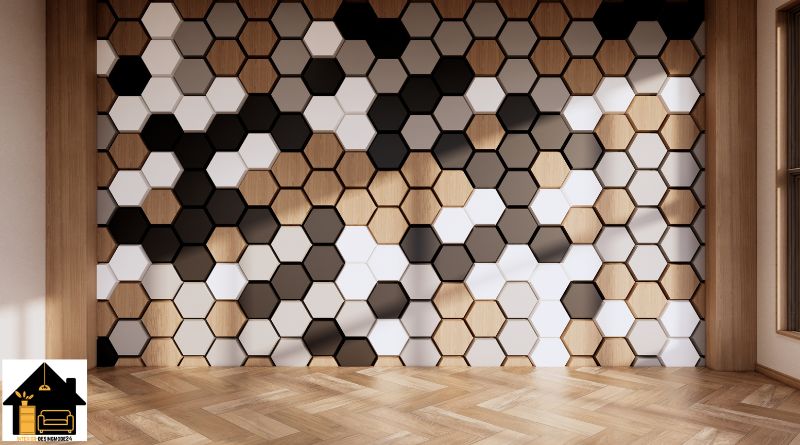
When it comes to flooring and wall decor, few materials manage to balance beauty, warmth, and durability quite like wooden tiles. Whether you are renovating your home or designing a new space from scratch, wooden tiles offer a unique combination of natural aesthetics and modern practicality that very few alternatives can match. Unlike solid hardwood or laminate, wooden tiles give you the flexibility to design patterns, mix textures, and achieve a look that feels both organic and polished at the same time.
Why Wooden Tiles Are Gaining Popularity
The rise in demand for wooden tiles over the past decade is no accident. Homeowners and interior designers alike have come to appreciate the fact that these tiles bring all the visual warmth of natural wood without some of the drawbacks that solid wood is known for. Solid hardwood floors, while beautiful, are highly sensitive to moisture, require heavy maintenance, and can warp or crack when exposed to humidity or temperature fluctuations. Wooden tiles, especially those made from porcelain or ceramic with a wood-effect finish, solve many of these problems while keeping the visual appeal intact.
Beyond the practical benefits, wooden tiles have also caught on because of their sheer versatility. You can install them in bathrooms, kitchens, living rooms, outdoor patios, and even commercial spaces. The wide variety of sizes, tones, and textures available today means that there is a wooden tile for virtually every design vision, whether you prefer a rustic farmhouse aesthetic or a sleek contemporary look.
Types of Wooden Tiles You Should Know About
Not all wooden tiles are the same, and understanding the differences can help you make a more informed decision for your project. The most common types include solid wood tiles, engineered wood tiles, and wood-look porcelain or ceramic tiles.
Solid wood tiles are made from a single piece of natural wood, usually cut and finished to precise dimensions. They carry the authentic grain patterns and natural warmth that only real wood can provide, but they do require more care and are not ideal for areas with high moisture exposure. Engineered wooden tiles, on the other hand, are constructed with multiple layers of wood compressed together, which gives them better resistance to humidity and seasonal changes while still retaining the genuine wood surface.
The most durable and low-maintenance option is the wood-look porcelain tile. These are ceramic or porcelain tiles printed with highly realistic wood grain patterns. Modern printing technology has made these tiles so convincing that it can be difficult to tell them apart from real wood at first glance. They are waterproof, scratch-resistant, and easy to clean, making them particularly popular for kitchens and bathrooms.
How to Style Your Space with Wooden Tiles
One of the most exciting aspects of working with wooden tiles is the creative freedom they offer. You are not limited to a simple straight-lay pattern. Many designers choose herringbone or chevron arrangements to add movement and visual interest to a room. Running a lighter wood tile through a narrow hallway can make the space feel longer and more open, while darker wooden tiles can create a cozy, grounded atmosphere in a large living room.
In Scandinavian-inspired interiors, pale ash-toned wooden tiles are often paired with white walls and minimal furniture to create a clean, airy feel. Meanwhile, in more rustic or Mediterranean-style homes, darker, wider wooden tiles with visible knots and grain variation are used to add texture and character. The key is to match the tone and texture of your wooden tiles to the overall mood you are trying to create, rather than choosing them in isolation.
Maintenance Tips to Keep Your Wooden Tiles Looking Their Best
Regardless of the type you choose, maintaining wooden tiles properly is essential for preserving their appearance over the long term. For real wood and engineered tiles, it is important to avoid excessive moisture and to use a ph-neutral cleaner rather than harsh chemicals that can strip the finish. Place felt pads under furniture legs to prevent scratches, and consider using rugs in high-traffic areas.
For porcelain wood-look tiles, maintenance is considerably easier. Regular sweeping and damp mopping are usually all that is needed to keep them looking fresh. However, you should still avoid abrasive cleaners that can dull the surface finish over time. Grout lines should be sealed periodically to prevent staining, which is one of the small trade-offs that come with choosing tile over solid wood.
Final Thoughts
Wooden tiles represent one of the most practical and aesthetically rewarding flooring and wall options available today. They bridge the gap between the natural world and modern design needs, offering warmth, durability, and style in a single product. Whether you opt for authentic wood tiles or the ever-improving wood-effect porcelain varieties, the result is a space that feels inviting, well-crafted, and timeless. Choosing the right wooden tiles for your home is ultimately about finding the balance between your aesthetic preferences, your budget, and the practical demands of the space you are designing.
Read Also: Tiles Color