
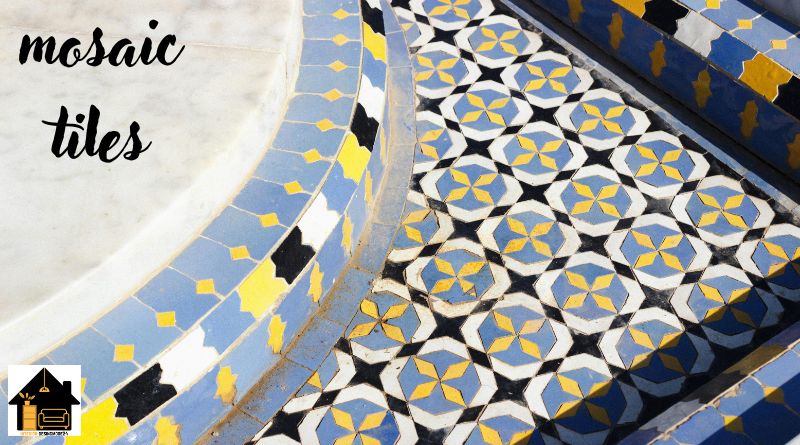
There is something almost magical about the way a single surface can tell a story through hundreds of tiny pieces. Mosaic tiles have been doing exactly that for thousands of years, and yet they feel just as fresh and relevant today as they did in ancient Rome or Byzantine Constantinople. Whether you are renovating a bathroom, designing a feature wall, or simply looking for a way to add personality to your home, mosaic tiles offer something that few other materials can match — depth, texture, color, and history all in one.
What Makes Mosaic Tiles Different
At their core, mosaic tiles are small individual pieces of material — glass, ceramic, stone, or even metal — arranged together to create a larger pattern or image. Unlike standard floor or wall tiles, which are installed as uniform, repeating units, mosaic tiles are about composition. Every installation is essentially a piece of art. The grout lines between the pieces become part of the design rather than something to minimize, and the way light catches each individual tesserae (the technical term for a single mosaic unit) gives the surface a dynamic quality that changes throughout the day.
This is what separates mosaic tiles from other decorative options. A painted wall is static. A mosaic wall breathes.
The Rich History Behind the Craft
Mosaic tiles trace their origins back over four thousand years. Ancient Mesopotamian craftsmen used cone-shaped clay pieces pressed into walls to create geometric patterns. The Greeks refined the technique, and the Romans took it to extraordinary heights, covering floors, walls, and even ceilings with elaborate figurative scenes and intricate borders. Byzantine artisans later elevated mosaic work to a spiritual art form, using gold and silver glass pieces to create the glittering icons and heavenly scenes still visible in places like Ravenna and Istanbul.
This long history matters because it tells us something important — mosaic tiles have endured not because of trend cycles, but because they genuinely work. They are durable, water-resistant, highly customizable, and visually compelling in a way that never quite goes out of style.
Where Mosaic Tiles Work Best
One of the great strengths of mosaic tiles is their versatility. They perform beautifully in wet environments, which makes them a natural choice for bathrooms and swimming pools. A shower niche lined with small glass mosaic tiles instantly becomes a focal point. A pool interior laid with turquoise or cobalt mosaic tiles transforms the water into something that looks almost tropical.
Beyond water spaces, mosaic tiles work wonderfully as kitchen backsplashes, where they add color and texture behind a stove or sink without overwhelming the rest of the room. Feature walls in living areas, restaurant interiors, retail spaces, and outdoor garden walls are all ideal candidates. Because mosaic tiles can be cut and shaped to fit curved surfaces, they can go places that standard tiles simply cannot — around archways, across rounded columns, or along the curved interior of a fireplace surround.
Choosing the Right Material
Not all mosaic tiles are created equal, and the material you choose will significantly affect both the look and the longevity of your project. Glass mosaic tiles are the most reflective and luminous option, ideal for areas where you want light to bounce and shimmer. They are non-porous, making them excellent for wet areas, though they can show fingerprints and smudges more readily than other materials.
Ceramic and porcelain mosaic tiles are the most practical everyday choice. They are affordable, widely available in an enormous range of colors and finishes, and relatively forgiving to install. Natural stone mosaic tiles — marble, travertine, slate — bring an organic warmth and uniqueness that manufactured materials cannot replicate, though they typically require sealing to protect against moisture and staining.
Installation and Care
Installing mosaic tiles requires patience more than skill, though getting the grout lines even and the layout balanced does take a careful eye. Most mosaic tiles come pre-mounted on mesh backing sheets, which makes handling and positioning much more manageable than working with individual pieces. Choosing the right grout color is one of the most important decisions in the process — a contrasting grout emphasizes the individual pieces and the pattern, while a matching grout creates a smoother, more unified appearance.
Maintaining mosaic tiles is largely straightforward. Regular cleaning with a mild, pH-neutral cleaner keeps surfaces looking their best, and re-sealing natural stone varieties every year or two protects against moisture penetration. With proper care, a well-installed mosaic tile surface can last for decades — much like the ancient examples that have already survived millennia.
Why Mosaic Tiles Are Worth It
In an era of mass production and interchangeable finishes, mosaic tiles offer something genuinely rare — the sense that a space has been considered and crafted rather than simply furnished. Whether you choose a simple, monochromatic grid of glass tiles or an elaborate hand-cut marble medallion for your entrance hall, the result is a surface that rewards attention and improves with time. Few design choices carry that combination of beauty, durability, and meaning quite as effectively as mosaic tiles do.
read also: Bathroom Tiles