
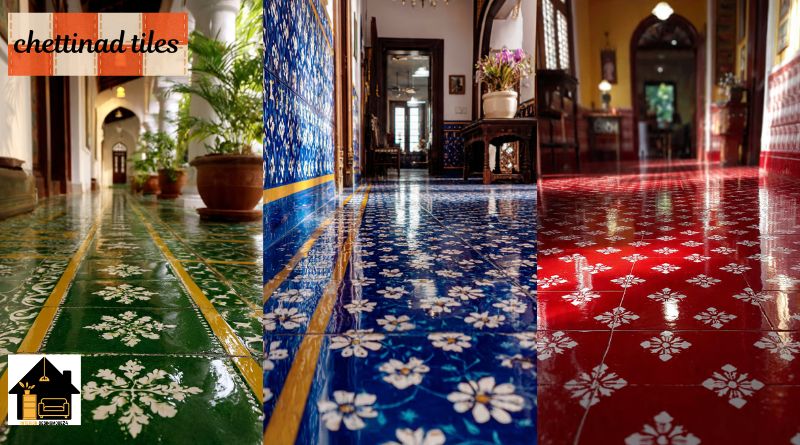
The story of Chettinad tiles begins in the heart of Tamil Nadu, where the Nattukotai Chettiars, a prosperous trading community, built magnificent mansions that became architectural wonders of their time. These merchants traveled across Southeast Asia and brought back rare materials, artistic influences, and a refined taste that shaped an entirely unique building tradition. Among all the elements that defined their grand homes, the flooring stood out as something extraordinary. The tiles they used were not just functional surfaces to walk on — they were statements of identity, craftsmanship, and cultural pride. Today, this flooring tradition continues to capture the imagination of architects, interior designers, and homeowners who appreciate beauty rooted in history.
The Origins and Cultural Significance
The Chettinad region, comprising around 75 villages in the Sivaganga district, was home to wealthy merchants who returned from countries like Burma, Sri Lanka, and Malaysia with materials that local craftsmen had never encountered before. Limestone, Belgian glass, Athangudi handmade tiles, and Burmese teak all found their place inside these palatial homes. The flooring tradition that emerged from this cultural exchange became what we now recognize as chettinad tiles — a broad term that encompasses a range of handcrafted, vibrantly colored floor tiles that reflect both local artistry and foreign influences. These tiles were more than decorative; they symbolized the social standing and worldly connections of the families who commissioned them.
Athangudi Tiles — The Heart of the Tradition
When people speak of chettinad tiles, they almost always refer to Athangudi tiles, named after the small village of Athangudi where this craft has been practiced for generations. Artisans here create tiles entirely by hand using locally sourced river sand, cement, and natural oxide pigments. The process involves pouring colored cement mixtures into hand-carved molds placed on glass surfaces, allowing each tile to form its own unique pattern through a careful layering technique. No two tiles are exactly identical, which is precisely what makes them so special. The patterns are typically geometric, inspired by the ornate architecture of Chettinad mansions, featuring bold symmetry, floral motifs, and vivid contrasting colors like deep red, cobalt blue, earthy yellow, and forest green.
Why Chettinad Tiles Are Gaining Modern Popularity
Timeless Aesthetics That Complement Contemporary Spaces
There is a growing movement in interior design that favors authenticity over mass production, and chettinad tiles sit perfectly within this shift. Designers across India and internationally are incorporating these tiles into modern homes, boutique hotels, cafes, and heritage restorations because they bring warmth, character, and a handmade quality that factory-produced tiles simply cannot replicate. Their bold patterns create visual interest without feeling overwhelming, and they pair naturally with minimalist furniture, exposed brick walls, wooden beams, and indoor plants. Whether used across an entire floor or as decorative accents in a kitchen backsplash or bathroom border, these tiles transform ordinary spaces into something memorable and deeply personal.
Sustainability and Eco-Friendly Production
Another reason for their growing appeal is their environmental friendliness. The production of Athangudi tiles involves no industrial machinery, no harmful chemicals, and no firing in kilns. Artisans use natural pigments and locally available materials, making the process significantly more sustainable compared to conventional ceramic or vitrified tile manufacturing. The tiles are also naturally cool to the touch, making them ideal for warm climates where maintaining indoor temperatures without excessive air conditioning is important. Their durability is remarkable — original tiles laid in Chettinad mansions over a hundred years ago still retain their color and structural integrity, proving that quality craftsmanship genuinely stands the test of time.
Caring for and Installing Chettinad Tiles
Proper installation is essential to preserving the beauty of chettinad tiles. Since they are made from cement rather than ceramic, they are porous and require sealing after installation to protect them from stains and moisture. A coat of linseed oil or specialized tile sealant applied before grouting helps deepen the colors and create a subtle natural sheen. Routine maintenance involves simple mopping with mild, pH-neutral cleaners and avoiding harsh chemical-based products that can strip the surface. When cared for correctly, these tiles develop a beautiful patina over time that only adds to their character.
Conclusion
Chettinad tiles represent something rare in today’s world — a living craft tradition that connects the past to the present without compromise. They carry within them the stories of merchant families, the skill of village artisans, and the enduring human desire to create beauty in everyday spaces. Choosing them is not just an aesthetic decision; it is a meaningful one.
read also: Mosaic Tiles