
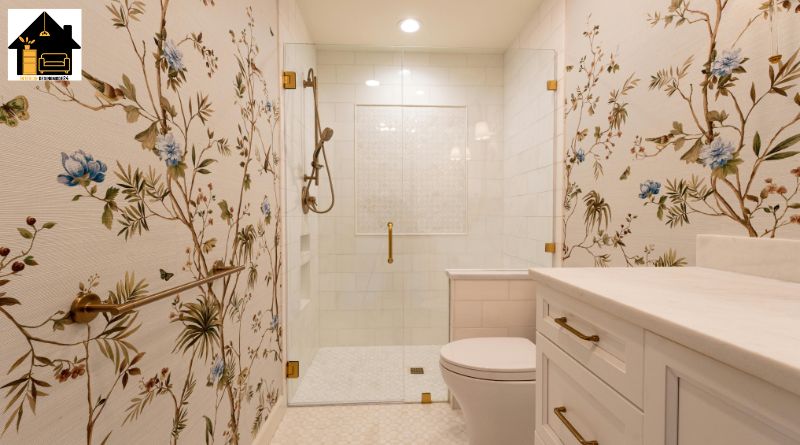
Why Bathroom Tiles Matter More Than You Think
When most people think about renovating a bathroom, they focus on the fixtures — the sink, the tub, the lighting. But if you have ever walked into a bathroom that stopped you in your tracks, chances are it was the tiles doing all the heavy lifting. Bathroom tiles are not just a surface covering; they are the foundation of the entire room’s personality. They set the tone before anything else catches your eye, and they carry the visual weight of the space in a way no other element can.
Choosing the right tiles for your bathroom is one of those decisions that feels simple on the surface but gets complicated fast the moment you step into a showroom. Suddenly you are looking at hundreds of options — ceramic, porcelain, natural stone, glass, mosaic — and every single one of them looks beautiful under those carefully arranged showroom lights. The real challenge is figuring out which one belongs in your home.
Understanding the Different Types
Not all bathroom tiles are created equal, and the differences go far beyond looks. Ceramic tiles are the classic choice — affordable, widely available, and easy to cut and install. They work well on walls and in low-traffic bathrooms, but they are softer than porcelain and can chip or crack under pressure over time.
Porcelain tiles, on the other hand, are denser and far more water-resistant, which makes them excellent for floors and wet areas like shower enclosures. They are harder to work with during installation, but the durability payoff is significant. If you are investing in a renovation you want to last a decade or more without looking tired, porcelain is worth the extra spend.
Natural stone — marble, travertine, slate — brings an organic richness that manufactured tiles simply cannot replicate. Each piece is unique, and that variation is exactly the point. The trade-off is maintenance. Stone is porous and needs sealing regularly to prevent moisture damage and staining. It is a high-reward, high-commitment choice.
Glass tiles are a niche but striking option, particularly for feature walls or shower niches. They reflect light in a way that makes a small bathroom feel noticeably more open and bright. Mosaic tiles, which come in all materials, offer creative freedom — they can be arranged into patterns, gradients, or even custom imagery.
How to Choose the Right Size and Finish
Size matters more than most people realize when it comes to bathroom tiles. Large-format tiles — anything above 60×60 cm — create a sleek, modern look with fewer grout lines, which also makes cleaning easier. But in a very small bathroom, oversized tiles can look awkward and out of proportion.
Smaller tiles, including classic subway tiles, give you more flexibility with layout patterns and add texture and visual interest to the room. They work particularly well in traditional or transitional bathroom designs.
The finish of your tile is another decision that shapes the entire feel of the space. Matte finishes are forgiving — they hide water spots and fingerprints — and they have a contemporary softness that feels relaxed and organic. Polished or glossy finishes bounce light around the room beautifully but demand regular wiping to stay looking sharp. For floors specifically, always prioritize slip resistance over aesthetics, especially in homes with children or elderly residents.
Getting Color and Pattern Right
Color is where bathroom tiles really become personal. Light, neutral tones — whites, creams, soft grays — open up a space and create a timeless backdrop that is easy to accessorize. Darker tiles in charcoal, navy, or forest green have become increasingly popular as homeowners push back against the all-white bathroom trend. These deeper palettes create drama and warmth, turning a bathroom into something that feels deliberately designed rather than safe.
Pattern is equally powerful. Geometric tiles, encaustic cement tiles, and handmade terracotta tiles have surged in popularity because they do something plain tiles cannot — they tell a story. A patterned floor paired with simple white walls is one of the most effective design moves you can make in a bathroom because it adds personality without overwhelming the space.
A Lasting Investment
At the end of the day, bathroom tiles represent one of the most lasting investments you make in your home. Unlike paint, which you can change on a weekend, tiles are there for the long haul. Taking the time to choose well — balancing material, size, finish, and color — means you will have a bathroom that still feels considered and beautiful years from now, not one you are already mentally renovating before the grout has even set.
read also: Tile Shop Near Me