
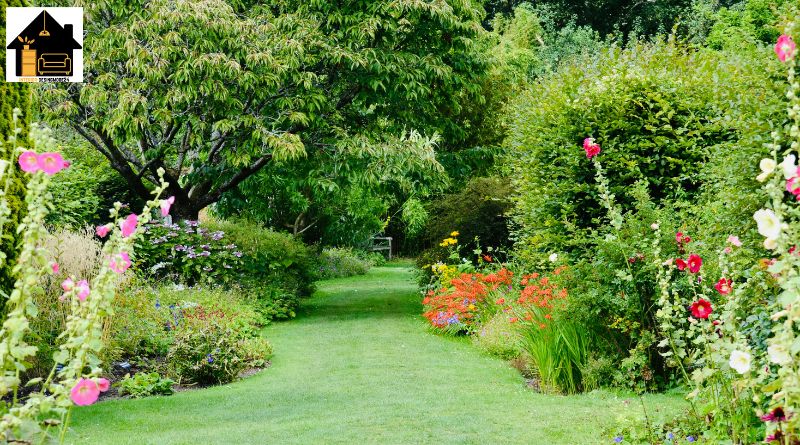
If you’ve ever searched for a place that brings together gardening inspiration, practical how-tos, and a genuine love for outdoor living, then the garden guide homenumental is exactly what you need to explore. This platform, resource, or concept has steadily grown in relevance among homeowners who want their yards, patios, and garden beds to reflect real effort and real beauty — not just Pinterest boards that never leave the screen.
What Makes garden guide homenumental Stand Out
There’s no shortage of gardening content on the internet. Tutorials, videos, listicles — they’re everywhere. But what sets the garden guide homenumental apart is the way it approaches gardening as a whole lifestyle rather than a weekend chore. Whether you’re dealing with a small balcony in an urban apartment or half an acre of backyard in the suburbs, the guidance feels tailored and human. It doesn’t assume you already know the difference between loam and clay soil or that you’ve composted before. It meets you where you are and builds from there.
The content tends to focus on practical outcomes. You won’t find vague advice like “water when needed” without an explanation of what that actually means for different plant types and climates. Instead, the approach is grounded — rooted, you could say, in real gardening experience rather than theory alone.
Planning Your Garden with Purpose
One of the strongest areas covered under the garden guide homenumental umbrella is garden planning. Before you ever buy a seed packet or rent a tiller, knowing your space matters enormously. Sun exposure, soil drainage, the direction your beds face, nearby structures that could cast shade — all of these factors determine what will actually thrive versus what will struggle and die back by midsummer.
Seasonal Planting Calendars
A good planting calendar is one of those tools that separates gardeners who get results from those who feel perpetually behind. The garden guide homenumental framework leans heavily into seasonal planning, helping you understand not just when to plant but why certain windows matter for root development, frost tolerance, and water needs. Spring planting looks very different from fall planting, and understanding those rhythms makes the whole process more rewarding and far less frustrating.
Choosing the Right Plants for Your Space
Not every plant belongs in every garden. This sounds obvious, but it’s one of the most common mistakes new gardeners make — falling in love with a plant at the nursery without checking whether it suits the conditions at home. The garden guide homenumental encourages you to think about native plants first, since they’re adapted to your region’s rainfall, temperature swings, and soil composition. From there, you layer in edibles, ornamentals, and ground covers based on your actual goals for the space.
Soil, Watering, and the Basics That Actually Matter
No amount of attractive planting design compensates for poor soil or inconsistent watering. These fundamentals get more attention in a garden guide homenumental approach than most other places, and rightly so. Healthy soil is alive — teeming with microbes, worms, and organic matter that feed your plants and keep disease at bay. Amendments like compost, aged manure, and mulch aren’t optional add-ons; they’re the foundation everything else depends on.
Watering is equally nuanced. Deep, infrequent watering encourages roots to grow downward in search of moisture, making plants more drought-tolerant over time. Shallow daily watering does the opposite. Understanding this one principle can completely transform how your garden performs through a dry stretch.
Growing a Garden That Feels Like Home
Ultimately, that’s what the garden guide homenumental is really about — creating an outdoor space that feels like a natural extension of where you live. It doesn’t have to be perfect or finished. Gardens are living things, and they change season to season, year to year. The best ones are tended with patience, curiosity, and a willingness to learn from what doesn’t work just as much as from what does. Start small, pay attention, and let the process teach you.
Read Also:mygardenandpatio robert