
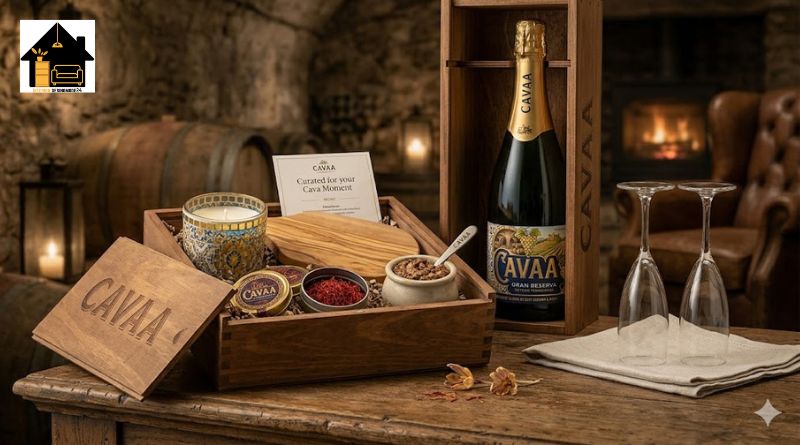
When people think about sparkling wine, their minds immediately jump to French Champagne. But there is another bottle that has been quietly winning hearts around the world for over a century, and it comes from the sun-drenched hills of Catalonia, Spain. Cava is a sparkling wine with deep roots, a fascinating production story, and a character that stands entirely on its own. If you have never given it serious thought, now is the right time to change that.
What Exactly Is Cava?
Cava is a Spanish sparkling wine that holds Denominación de Origen (DO) status, which means it must follow strict production rules and come from designated regions to legally carry that name on the label. The word itself comes from the Spanish for “cave” or “cellar,” a nod to the underground caves where early producers stored and aged their bottles. Spanish winemakers officially adopted the term in 1970 to set their product apart from French Champagne, and since then cava has grown into one of the most widely produced sparkling wines in the world, with roughly 250 million bottles made every year.
About 95 percent of all cava production happens in the Penedès region of Catalonia, with the small village of Sant Sadurní d’Anoia serving as the true heartland of the industry. The two biggest names in cava — Codorníu and Freixenet — both call this village home. However, cava is also legally produced in parts of Aragon, La Rioja, the Basque Country, Navarre, Extremadura, and Valencia, giving the wine a broader Spanish identity than many people realize.
How Cava Is Made
What makes cava genuinely impressive is that it is produced using the traditional method, the exact same labor-intensive process used to make French Champagne. Grapes are harvested, pressed, and fermented into a base wine. That wine is then bottled with a small addition of sugar and yeast, which triggers a second fermentation inside the bottle itself. This second fermentation is what creates those fine, persistent bubbles that cava is known for.
After the second fermentation is complete, the bottles are left to rest with the dead yeast cells — a process called aging on the lees — which can last anywhere from nine months to several years depending on the quality tier. This contact with the lees is what gives cava its characteristic toasty, nutty, and brioche-like qualities that you simply do not find in wines made by quicker methods. The dead yeast is then collected into the neck of the bottle through a process called riddling and removed through disgorgement. A small amount of wine and sugar, called the dosage, is added to determine the final sweetness level before the bottle is sealed.
The Grapes Behind the Glass
The traditional grape varieties used in cava are Macabeo, Parellada, and Xarel·lo, three white Spanish grapes that together create a profile of citrus, green apple, almond, and mineral flavors with lively acidity. Chardonnay is also permitted and has been used in cava production since 1981, often lending a rounder, creamier texture to the wine. For rosé cava, red grapes like Garnacha, Pinot Noir, Trepat, and Monastrell are used, but the rules are strict — blending is not allowed for rosé, and the color must come from the grape skin itself through a method called saignée.
Cava comes in a range of sweetness levels, from Brut Nature at the driest end with virtually no added sugar, all the way to Dulce, which is noticeably sweet. The most popular style by far is Brut, which strikes a clean, refreshing balance between dryness and fruitiness.
Why Cava Is Worth Choosing
One of the most compelling things about cava is the value it offers. You are getting a wine made by the same time-consuming method as Champagne, using grapes grown under the Mediterranean sun, for a fraction of the price. The flavor profile is genuinely distinctive — zesty and fresh with fine bubbles that create a creamy, smooth mouthfeel. It pairs beautifully with Spanish charcuterie, aged cheeses, seafood, and even fried foods, where its sharp acidity cuts right through the richness.
Cava has spent decades living in Champagne’s shadow, but wine lovers who take the time to explore it rarely look back. It is an honest, well-crafted, and deeply enjoyable sparkling wine that tells a real story about place, tradition, and craft.
Read Also: Calculate Tile